
Sequential Batch Reactors
Home / Solution / Sequential Batch Reactors
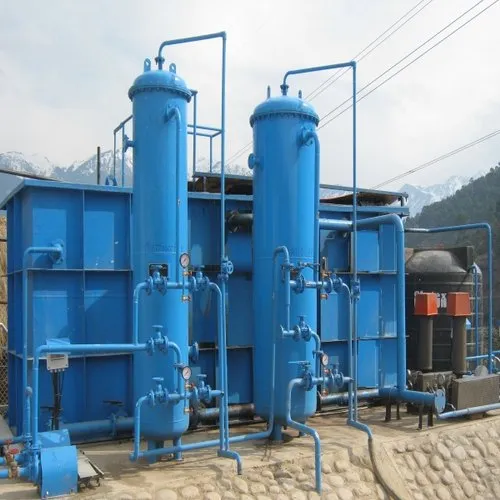
Sequential Batch Reactors
The Sequential Batch Reactor (SBR) is an activated sludge process designed to operate under sequences of various phases of biological treatment where aeration and sludge settlement both occur in the same tank. The SBR design is a fill and draw-type activated sludge process where individual reactors are filled one by one to perform five discrete operations in sequence i.e. Anoxic or Oxic fill, React, Settle, Decant, and Idle/Waste sludge.
The SBR system is designed with the ability to treat a wide range of influent volumes. Hence, there is a degree of flexibility associated with work timings that can be achieved by altering the duration of treatment steps and number of cycles per day.
SBR aeration system generally consists of fine bubble air diffusers. In this process, the compressed air is sheared into small bubbles creating a large specific surface area for higher mass transfer efficiency between air and waste water. SBR produces sludge that has good settling properties provided the influent wastewater is added into the aeration filter in a controlled manner. An appropriately designed SBR process is a unique combination of equipment and software providing the highest level of effluent quality on all parameters including BOD and Nutrient removal. Automated control minimizes manual intervention and thus, there are fewer possibilities of operational errors.
Moving Bed Bio Reactors (MBBR)